AI Search
AI search and LLM optimization: Google Search's VP says what works in the AI era: defensible content, not generic
How to appear in AI Overviews, ChatGPT, Gemini and Perplexity: tests, metrics and GEO tactics documented by iSocialWeb.
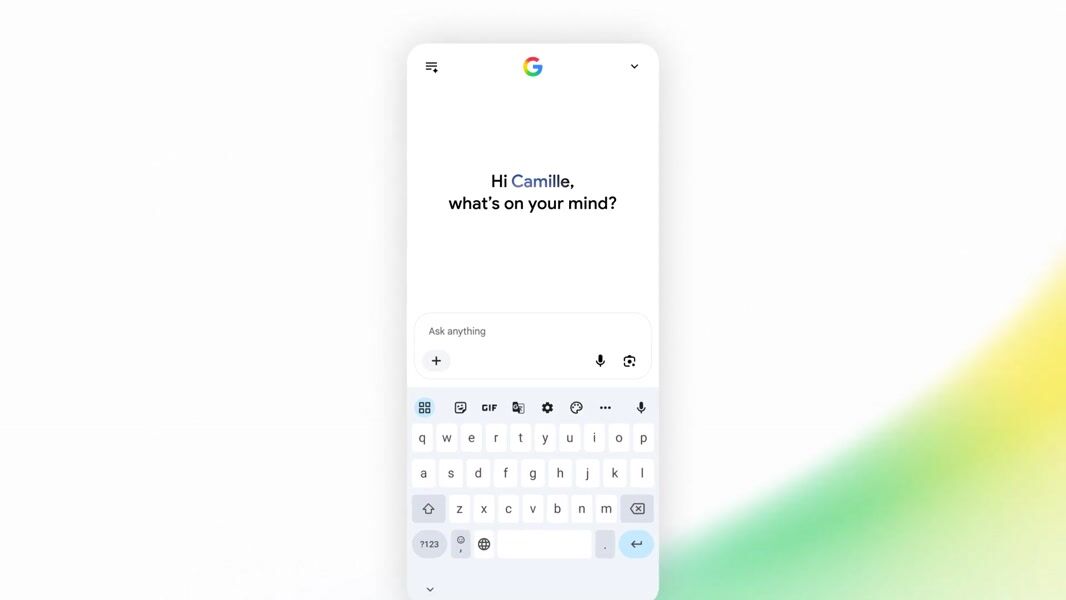
I sat through all 75 minutes of Liz Reid's interview, VP of Google Search and 23 years at the company, on the AI Inside podcast, and some lines belong framed on every agency wall. The bluntest was about paywalls: "sometimes they put up a paywall and then say their traffic has dropped; and I tell them: yes, that is exactly what happens when you charge". No anesthetic.
What interested me most was what she said about small publishers. Personalization in AI Mode pushes results toward the long tail: when Google knows you care about eco-friendly brands or that you just had a baby, it can surface the specialist reviewer, the local shop or the niche creator. Without personalization, the same names always win. For a small, focused business, that is a door that used to be closed.
She also confirmed that Google has extended Preferred Sources to AI Overviews and AI Mode. Your readers can mark you as a preferred source and, when they do, your links show up with a visible badge in AI answers. The figure that raised my eyebrow: twice the clicks, and there are already more than 345,000 sources selected. Your audience's loyalty, for the first time, translates directly into visibility inside AI.
The underlying message is underlined in my notes: content an AI summary can compress into three sentences is vulnerable; content with proprietary data, expert opinion and a unique perspective is defensible. So the takeaway I keep for any project is not to produce more generic content faster. It is the opposite: fewer pages, but ones that deserve to have someone mark you as their preferred source.
#seo#geo#eeat
We help you scale your business.
Contact usThe log archive
I just read a study that made me stop and think. It measured how much original information each page in Google's top 3 actually brings, and the median is 52 out of 100. In other words, half of what a top-ranking page says is already covered by the others competing for that same keyword. It stings the first time you read it, because it is exactly what we see every day auditing SERPs.
One figure strikes me as even more telling: 24% of top-3 pages add almost nothing new. And, contrary to what many people assume, being in position 1 does not make you more original than position 2 or 3. Originality is not what puts you first, but it is what holds your site up when the next core update lands.
What does make a difference is proprietary data. Pages with more than 15 unique data points score 62/100; those with 0 or 1 stay at 40. And here is the gap I find most interesting as an opportunity: in 90% of SERPs there is at least one question no top-3 page answers. There is almost always room to stand out.
The takeaway I keep, and repeat to every client: long content is not original content. Original content is the one that brings proprietary data, original research and answers no one else gives. If you have first-hand information, use it without fear. That is your competitive edge, and not only in SEO: it is exactly what AI cites when it builds its answers.
#seo#geo#eeat